

Story
Top 5 back-to-school health tips from VCH pediatrician
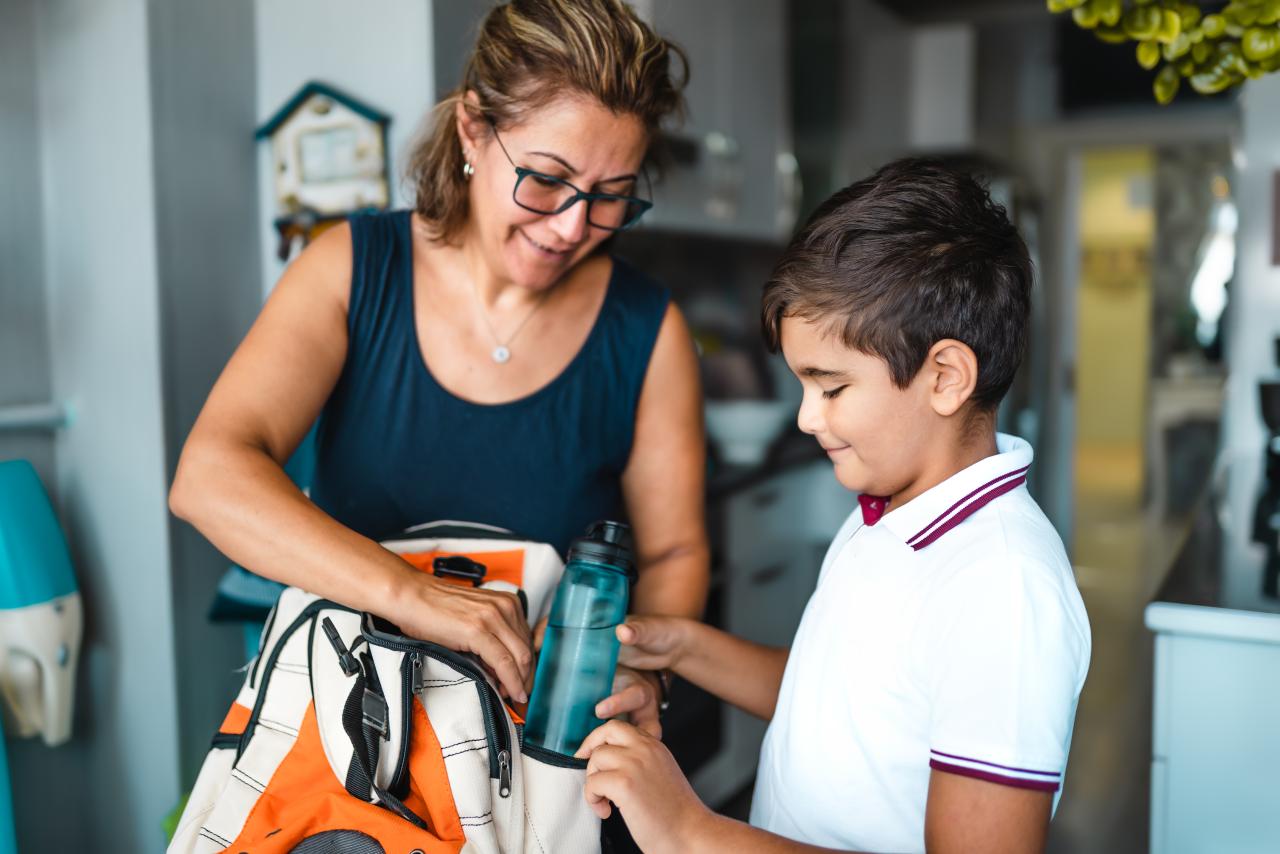
Vancouver Coastal Health Head of Pediatrics Dr. Erik Swartz gives his top five tips to help keep children healthy as they head back to school.
1. Practise good hygiene
- Wash hands, especially before your kids eat or after they use the washroom. Send along hand sanitizer, if your child or teen doesn’t have easy access to a sink to wash their hands before eating. Teach kids to cover their cough and those who are sick should stay home.
2. Get immunized, including for measles
- Get your flu shot this fall, available for free through the Get Vaccinated system.
- COVID-19 vaccine is also available for free and highly recommended for children with health conditions. Book an appointment on the Get Vaccinated system.
- Make sure your regular immunizations are up to date and you can book your appointment through your local immunization clinic.
- As of August 25, 2025, 215 cases of measles have been confirmed in B.C. this year, including 10 in Vancouver Coastal Health. The disease is highly contagious and can be fatal. Let’s work at getting our numbers back down to near zero, which they’ve been at for more than a quarter-century, until this year.
3. Limit screen time
- Too much screen time and exposure to harmful content can take a toll on kids’ mental health. The average teenager spends 7 1/2 hours a day watching or using screens. That’s nearly half of their waking hours each day that should be better spent socializing, learning new things, and building long-term healthy habits. Screen time is probably one of the hardest things for busy parents or caregivers to limit, but worth it when it comes to their child’s health.
- Less than two hours of recreational screen time is recommended for school-aged kids. Personalized family media plans can help the whole family stick to their screen time goals.
4. Exercise
- The good news is kids do tend to get more exercise when they’re in school and taking P.E. or getting outside at recess and lunch, but adding in other sources of movement, such as walking/cycling to school or extra-curricular sports adds in extra fresh air and movement.
- Endorphins released during physical activity reduce stress and anxiety while boosting mood and overall mental well-being in children. This chemical effect, combined with physical health benefits, improves concentration, creativity, and confidence.
5. Good old-fashioned proper sleep and nutrition
- It can’t be said enough how much a proper sleep and three healthy meals a day helps children with energy levels and emotions.
- For a guide: elementary school children need about 9-12 hours and teens need about 8-10 hours of sleep each night, according to the Canadian Pediatric Society.
- The Canada Food Guide also has lots of healthy meal ideas.
